TRAVEL BLOGS
How to choose your first Himachal itinerary
A guide to choosing the route that feels right for you.
Planning notes from Himraahi Holiday Packages. Destination-inspired imagery, created with AI.
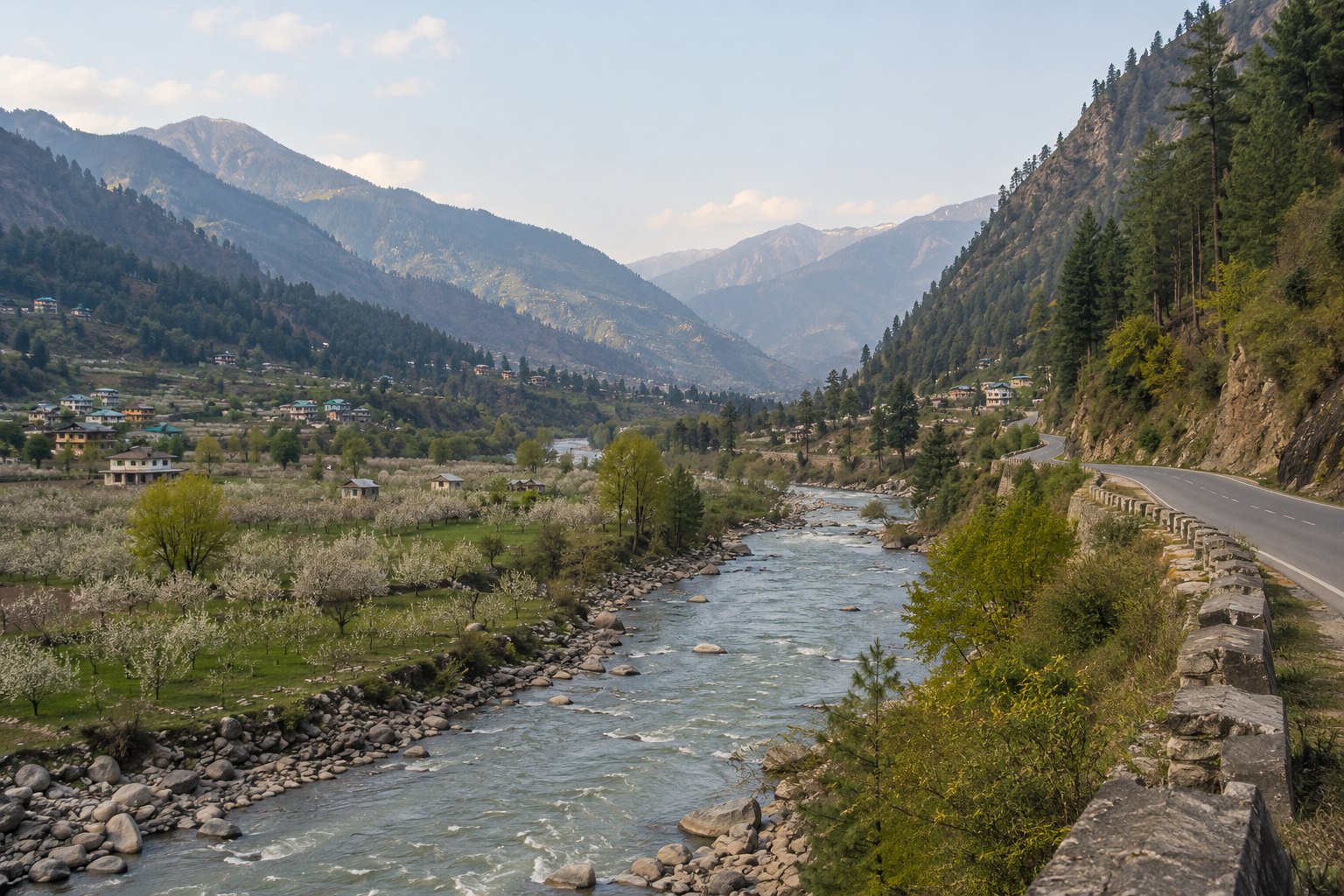
A map of Himachal can turn a simple holiday into a very long wish list. Shimla, Manali, Kasol, Dharamshala and Dalhousie each suggest a different journey, and it is tempting to join them all with a line. The more useful starting point is the time you can give the trip, including the journey from home.
Choose the shape of your holiday before choosing every stop. A settled stay, a journey between two bases and a wider circuit offer different balances of exploring, travelling and resting. These six chapters will help you turn a collection of appealing places into a brief that a travel planner can actually work with.
Chapter 01
Count the whole journey
Start with your first departure and your final arrival home. Write both on a calendar, then mark any work, school or onward-travel commitments around them. This gives you a usable window before a package name or a tempting photograph starts making decisions for you. Hotel nights are one part of that window; getting to and from the hills is another.
For example, the Manali Volvo proposal includes three hotel nights. An overnight coach journey to Manali and the return journey add time around that stay. They still occupy calendar dates, even though they are not extra hotel nights. Read the proposed departure and return arrangements together, rather than assuming that a three-night stay begins when you leave Delhi and ends as soon as you check out.
Once those edges are clear, look at what remains between them. An arrival day may need room for a transfer and settling in; a departure day may be shaped by the next connection. Decide whether you would enjoy sightseeing on those days or prefer a lighter plan. Give the planner your actual available dates and the time by which you need to be home, so the itinerary can be built around the whole journey.
Chapter 02
Choose one base, or make room for two
One base gives you a familiar place to return to. You can unpack, get your bearings and revisit a lane or a café without moving your luggage between towns. It is a useful shape for someone whose main interest is a particular destination, or for a group that values settled mornings and fewer accommodation changes. A short Shimla or Manali stay can be a complete holiday in its own right.
Two bases make sense when the contrast between them is part of what you want. The Shimla–Manali proposal combines two nights in Shimla with three in Manali. That creates space for two different town settings, alongside the transfer between them. Read that transfer as a part of the holiday that needs time, rather than as an invisible line between two sightseeing lists.
Manali and Kasol offer another pairing. The Manali–Kasol proposal allocates two nights to Manali and one to Kasol, moving from the Beas Valley setting towards the Parvati Valley. That is a different choice from spending all three nights in Manali. Ask yourself which matters more: seeing a second place or having another unhurried day in the first. Either answer can produce a satisfying route.
Chapter 03
Understand the rhythm of a wider circuit
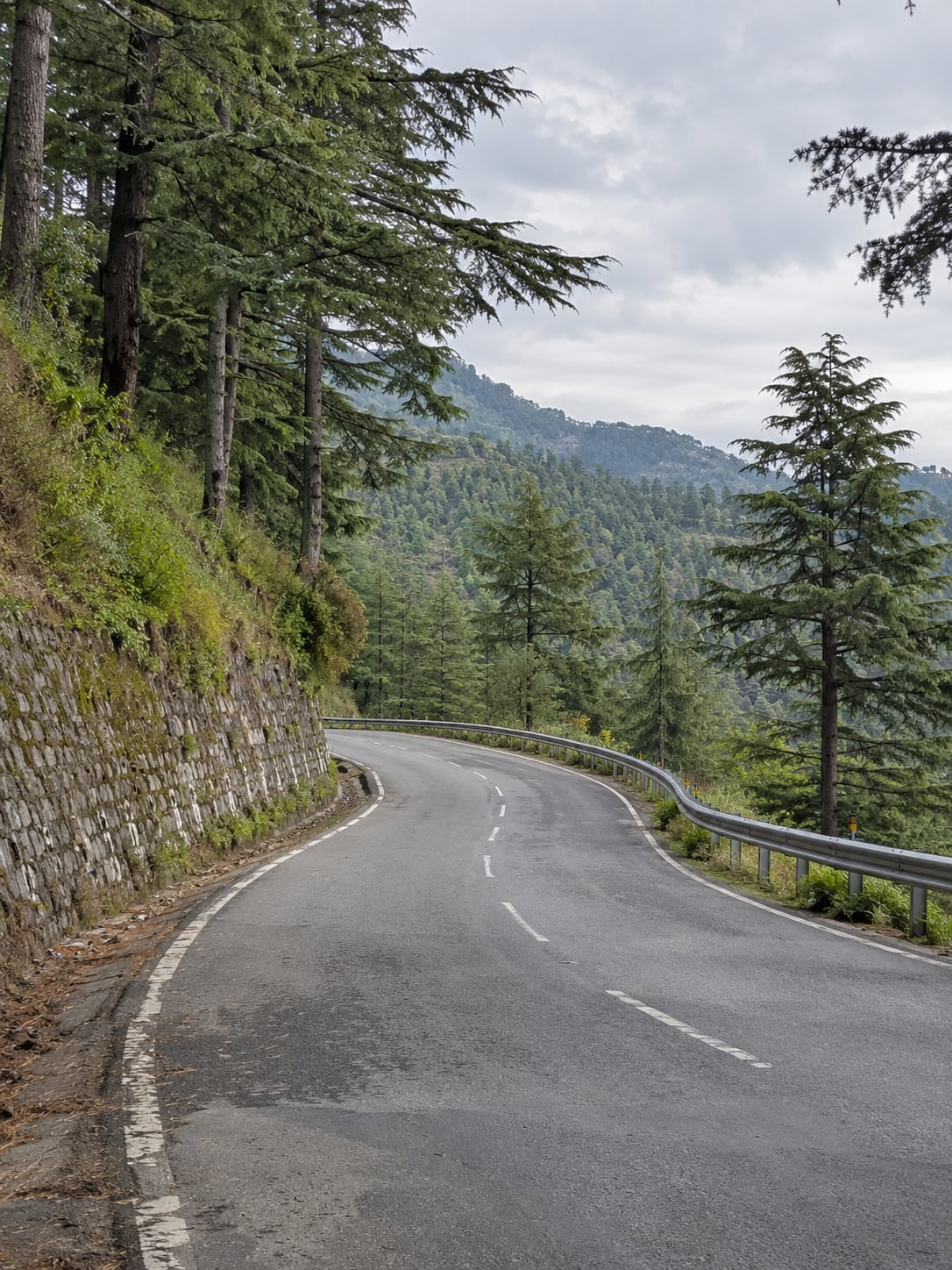
A longer route can introduce you to several sides of Himachal. The Complete Himachal proposal links Shimla, Manali, Dharamshala and Dalhousie, with Khajjiar among its highlights. The Manali–Dharamshala–Dalhousie option follows a different shape, with three nights in Manali, one in Dharamshala and two in Dalhousie. These are useful starting points for a conversation about breadth, rather than reasons to add every available town.
Look at the overnight pattern as carefully as the destination list. A single-night stop involves arriving, settling in and leaving again; a longer stay offers more room to spread your interests across separate days. Neither pattern is automatically right or wrong. The question is whether the pace matches what you hope to do and how often you want to pack, check out and begin another transfer.
There is also a detail to settle in the Complete Himachal outline: its named town stays account for eight of the advertised nine nights. The final overnight stop and full daily route need to be agreed in the personal itinerary. Before choosing that circuit, ask for the complete sequence of accommodation nights and transfers. Then read it from beginning to end, picturing the changes of base as well as the places you are going to see.
Chapter 04
Compare the actual travel arrangements
The words Volvo and private tour describe a starting point, not everything about the journey. With a coach-based proposal, distinguish the long-distance coach from the local vehicle used for transfers or sightseeing. Read where the coach journey begins, how you reach your accommodation after arrival and which local excursions are part of the agreed plan. These details make the travel arrangement easier to picture than the label alone.
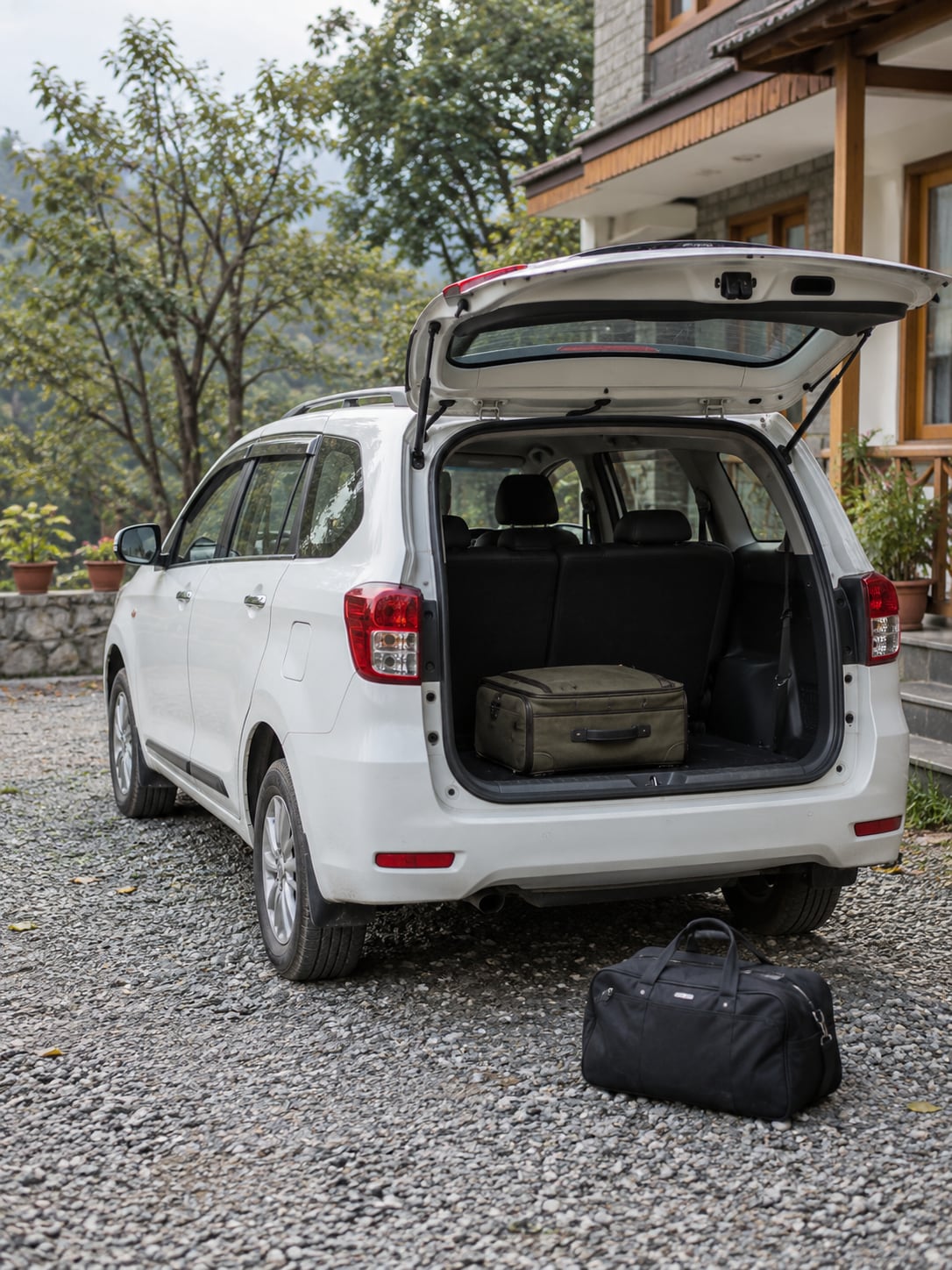
For a private-vehicle itinerary, discuss the pickup and drop locations, the travelling group and the luggage you expect to bring. Talk through the proposed daily route and any stops that matter to you. If one person prefers shorter walks or a lighter day, explain that while the plan is being prepared. The final route and vehicle arrangements should reflect the agreement you reach with the team.
Compare proposals using the same questions: which accommodation nights, meals, transfers and sightseeing are included, and which experiences would be additional? An excursion to a valley does not by itself mean every activity there is covered. You do not need to choose every small detail at the first enquiry. You do need a clear enough outline to understand what is being offered and which decisions still affect the quote.
Chapter 05
Let your interests shape the stops
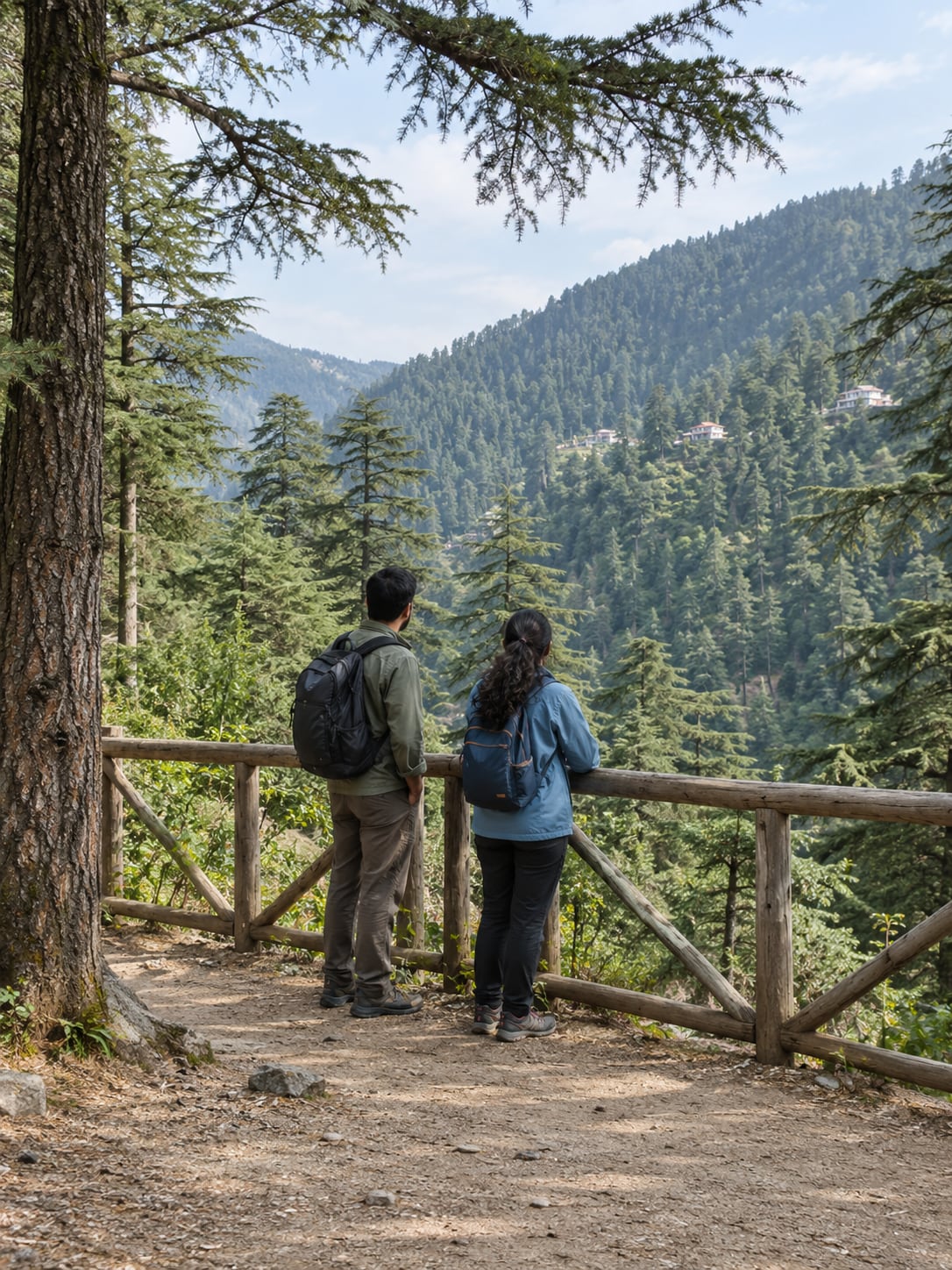
Make a short list of what you would most enjoy doing. It might be walking through a hill town, spending time among deodars, learning about local religious places, browsing markets or looking out over a valley. Rank those interests before adding more destinations. A route becomes easier to choose when you know which experiences deserve time and which would simply be pleasant additions.
Use place differences to sharpen that list. Shimla offers the connected public spaces of the Ridge and Mall and a separate outing towards Kufri. Manali brings together local town visits, wooded settings and possible valley excursions. Kasol adds time in the Parvati Valley. These are broad starting points; the individual blog posts can help you explore each setting without turning the route guide into another list of attractions.
Season and walking pace belong in the same conversation. Check forecasts and relevant warnings through IMD close to travel, and let the team know which parts of the plan are your priorities if conditions require a change. Describe the walking you are comfortable with, including steps, slopes and the length of a day out. A useful brief leaves room for an alternative that still suits your interests, rather than depending entirely on one activity or one hoped-for weather condition.
Chapter 06
Turn your shortlist into a useful enquiry
Bring your decisions together in a short, readable brief. Include your travel dates, where you expect to start and finish, the adults and children travelling, and the places you are most interested in. Add the experiences that matter most and the pace you would like. If you have a budget range or accommodation preferences, sharing them helps the team understand the kind of proposal you want to discuss.
You can also describe a preference without solving the route yourself: two settled bases rather than several short stops, a balance of local walks and excursions, or a little free time between organised visits. Point to the package that comes closest and explain what you would change. This gives the planner a clear direction while leaving room to suggest a more suitable order or a different allocation of nights.
When a written itinerary arrives, compare it with your original brief. Check the full dates, overnight stops, transfers, meals, selected accommodation and any optional costs, along with the payment and cancellation terms before booking. Keep the final version for your preparation and use the packing guide for the practical next step. Sending an enquiry begins this conversation; it does not reserve a place or confirm a booking. The aim is a journey you can understand before it begins.